
Healthcare leadership is undergoing a significant transformation. For decades, leadership was often viewed through the lens of individual expertise, executive authority, and organizational decision making. While those qualities remain important, the challenges facing modern healthcare require a broader approach. Today’s leaders must navigate rapid technological advancements, workforce shortages, operational complexity, regulatory changes, and rising expectations for patient outcomes.
No single leader, organization, or department can address these challenges alone. Success increasingly depends on collaboration, shared knowledge, and collective problem solving. This shift is why community driven leadership is becoming one of the most influential forces shaping the future of healthcare.
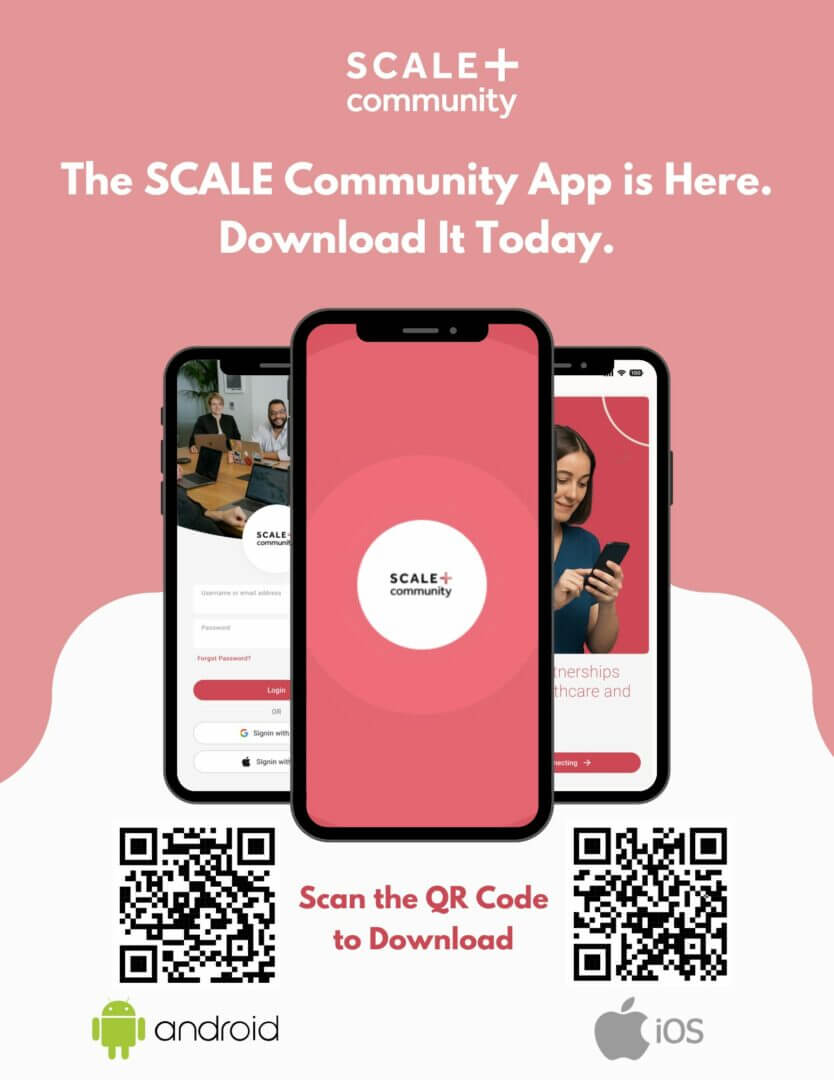
Organizations and networks such as SCALE Community are helping drive this evolution by creating environments where healthcare leaders, providers, innovators, and strategic partners can connect, collaborate, and grow together. Rather than operating in isolation, leaders gain access to a broader ecosystem that supports continuous learning, innovation, and professional development.
The Evolution of Healthcare Leadership
Healthcare has become more interconnected than ever before. Clinical operations, patient engagement, technology platforms, workforce management, and financial performance are all closely linked. Decisions made in one area often have consequences throughout an entire organization.
As a result, leadership can no longer be limited to internal perspectives. Leaders need access to diverse viewpoints, industry insights, and collaborative relationships that help them understand the broader healthcare landscape.
Community driven leadership recognizes that the best solutions often emerge when professionals work together. It shifts leadership from a model centered solely on authority to one focused on connection, engagement, and shared growth.
This approach allows leaders to learn from one another, exchange ideas, and develop strategies that address real world healthcare challenges more effectively.
Why Traditional Leadership Models Are No Longer Enough
The healthcare industry changes too quickly for leaders to rely exclusively on past experiences or internal resources.
New technologies continue to transform care delivery. Workforce expectations are evolving. Patient demands are increasing. Healthcare organizations must also respond to operational pressures while maintaining quality and efficiency.
Traditional leadership models often place responsibility on a small group of decision makers. While experience remains valuable, these models can limit access to fresh perspectives and innovative thinking.
Community driven leadership expands the conversation.
Instead of relying on a narrow circle of expertise, leaders engage with professionals across the healthcare ecosystem. This broader exchange of knowledge helps organizations adapt faster and make better informed decisions.
The Power of Shared Knowledge
One of the greatest strengths of community driven leadership is access to shared knowledge.
Healthcare leaders face many challenges that others have already encountered. Through collaborative communities, professionals can learn from the experiences of their peers rather than navigating every obstacle independently.
Shared knowledge creates opportunities to:
- Learn from successful strategies.
- Understand common challenges.
- Identify emerging trends.
- Improve decision making.
- Accelerate organizational growth.
When leaders openly exchange ideas and experiences, the entire healthcare ecosystem benefits.
Knowledge becomes more accessible, innovation spreads more quickly, and organizations can improve performance without repeating avoidable mistakes.
Building Stronger Professional Relationships
Relationships are at the heart of community driven leadership.
Strong professional connections create opportunities for collaboration, mentorship, and shared learning. They also provide leaders with access to trusted peers who can offer guidance during periods of uncertainty.
Meaningful professional relationships go beyond traditional networking.
Rather than focusing on simple introductions, community driven environments encourage ongoing engagement. Leaders participate in discussions, contribute insights, and build trust through consistent interaction.
Over time, these relationships become valuable resources that support both personal and organizational growth.
Creating a Culture of Collaboration
Healthcare organizations often operate in highly specialized environments. Different departments, teams, and stakeholders may focus on separate priorities.
Community driven leadership helps bridge these gaps.
By encouraging collaboration across disciplines and organizations, leaders gain a broader understanding of how different parts of the healthcare system work together. This creates opportunities to align goals, improve communication, and develop more effective solutions.
Collaboration also helps organizations become more adaptable.
When leaders are connected to broader professional networks, they can access new ideas and respond more effectively to changing conditions. This flexibility is becoming increasingly important as healthcare continues to evolve.
Supporting Innovation Through Community
Innovation rarely develops in isolation.
Many of the most impactful healthcare improvements emerge when diverse groups of professionals share perspectives and challenge conventional thinking.
Community driven leadership creates an environment where innovation can thrive.
Leaders gain exposure to new technologies, emerging strategies, and creative approaches that may not exist within their own organizations. By engaging with professionals from different backgrounds, they discover opportunities to improve operations, enhance patient experiences, and strengthen organizational performance.
Innovation becomes more sustainable when it is supported by a collaborative network of professionals committed to continuous improvement.
Strengthening Leadership Development
Leadership growth does not stop after reaching a management or executive position.
The most effective leaders continue learning throughout their careers. Community driven leadership supports this ongoing development by creating opportunities for leaders to engage with peers, mentors, and industry experts.
These interactions help leaders:
- Expand their perspectives.
- Improve communication skills.
- Strengthen decision making abilities.
- Develop greater adaptability.
- Build confidence in addressing complex challenges.
Learning from other professionals often provides insights that cannot be gained through formal education alone. Real world experiences shared by peers offer practical guidance that leaders can apply immediately within their organizations.
Improving Decision Making Through Diverse Perspectives
Healthcare leaders frequently make decisions that affect patients, employees, operations, and long term organizational performance.
Access to diverse perspectives improves the quality of those decisions.
Community driven leadership encourages leaders to engage with professionals who bring different experiences and expertise. These varied viewpoints help identify blind spots, challenge assumptions, and uncover opportunities that may otherwise go unnoticed.
The result is more balanced decision making and stronger organizational outcomes.
Leaders who actively seek input from a broad network often make more informed choices than those who rely solely on internal perspectives.
Reducing Isolation in Leadership
Leadership can be isolating, especially in healthcare where decisions often carry significant consequences.
Many executives and decision makers face challenges that are difficult to discuss within their own organizations. Community driven leadership provides an outlet for these conversations.
By connecting with peers who understand similar pressures, leaders gain access to support, feedback, and practical advice. This reduces isolation and creates a stronger sense of professional connection.
Leaders become part of a network that understands their challenges and shares a commitment to helping one another succeed.
Preparing Healthcare for the Future
The future of healthcare will be defined by collaboration.
As the industry becomes more complex, organizations will increasingly depend on leaders who can build relationships, share knowledge, and work across traditional boundaries.
Community driven leadership provides the foundation for this future.
It encourages transparency, promotes innovation, strengthens professional relationships, and creates opportunities for continuous learning. Most importantly, it helps leaders move beyond isolated decision making and embrace a more connected approach to solving healthcare’s most pressing challenges.
Communities such as SCALE Community demonstrate how powerful this model can be. By bringing together healthcare professionals who share a commitment to growth, collaboration, and industry advancement, these communities help create stronger leaders and a stronger healthcare ecosystem.
As healthcare continues to evolve, the leaders who thrive will be those who recognize the value of collective knowledge, meaningful relationships, and shared progress. Community driven leadership is not simply a trend. It is becoming a fundamental requirement for shaping the future of healthcare and creating lasting impact across the industry.