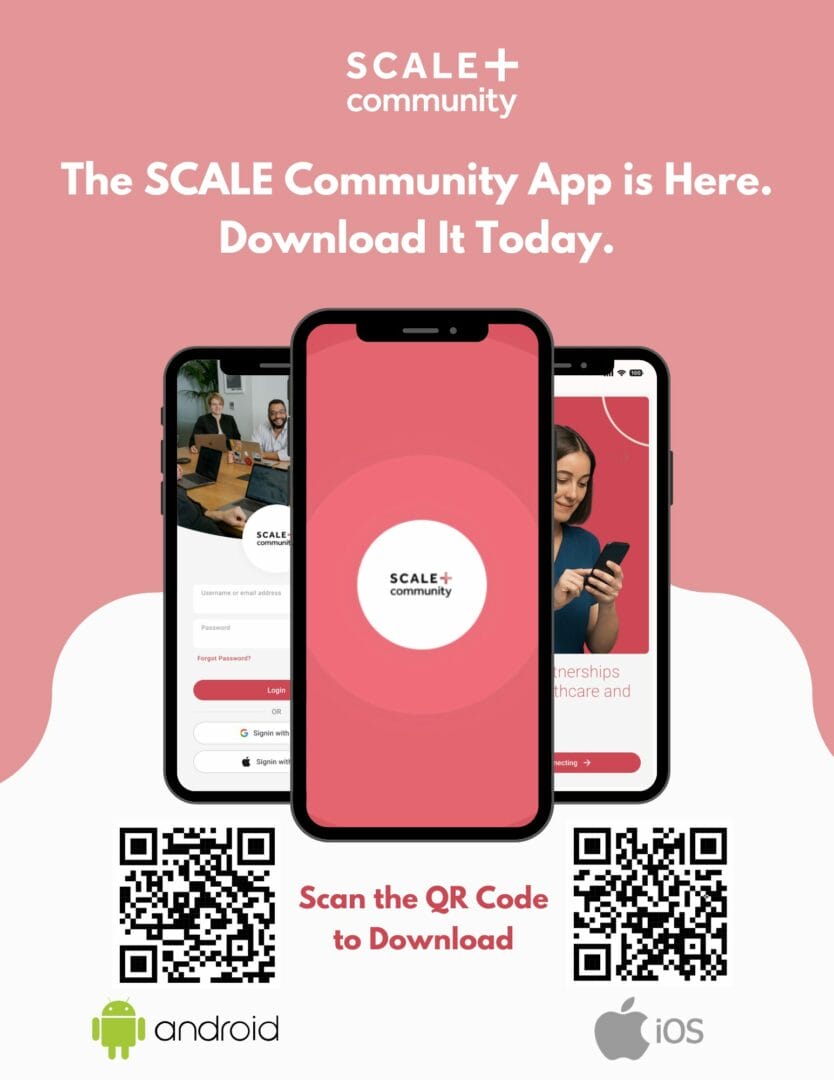

Growth in healthcare leadership demands more than experience. It requires access, clarity, and the right environment. Many leaders reach a point where effort alone no longer creates progress. They manage teams, oversee operations, and make decisions daily, yet growth feels limited. This gap often comes from operating without a structured ecosystem that supports continuous development. That is where SCALE Community positions itself differently.
The foundation of this community is built around one idea. Growth should be intentional, not accidental. Healthcare leaders face complex challenges that require more than isolated problem solving. They need a system where collaboration, insight, and execution work together. This environment creates that system by aligning leaders with others who share the same focus on improvement and performance.
Leadership in healthcare involves constant pressure. Decisions impact patients, teams, and organizations. Without the right support, it becomes difficult to maintain progress. A structured community reduces that pressure by creating a space where leaders can exchange ideas, refine strategies, and gain clarity. This shifts leadership from reactive decision making to proactive development.
The mission behind the community focuses on advancing healthcare through collaboration, transparency, and innovation. This mission shapes how leaders interact within the space. Instead of working in silos, they engage in shared problem solving. This creates stronger solutions because multiple perspectives contribute to each outcome. It also ensures that progress is not limited by individual experience.
One of the key reasons this environment supports growth is alignment. Every member operates with a focus on performance excellence. This removes distractions and keeps conversations centered on results. Leaders do not need to filter through irrelevant information. They engage with insights that directly impact their work.
The structure of the community also supports visibility. Leaders gain exposure within a broader network of professionals who understand the healthcare landscape. This visibility creates opportunities for collaboration and expansion. It allows leaders to connect with others who bring different strengths and perspectives.
Growth requires more than knowledge. It requires application. Many leaders consume information but struggle to implement it effectively. Within this environment, learning is tied to execution. Members do not just discuss ideas. They apply them, share results, and refine their approach. This creates a cycle of continuous improvement.
The vision of building a smarter and more unified healthcare ecosystem plays a central role in how the community operates. Leaders are encouraged to think beyond their individual organizations. They consider how their actions contribute to the larger system. This broader perspective leads to better decision making and more sustainable growth.
Tailored support also makes a difference. Healthcare organizations vary in structure, size, and focus. A one size approach does not work. The community recognizes this and provides tools, insights, and connections that adapt to different needs. This ensures that leaders receive relevant guidance rather than generic advice.
Peer based networking strengthens this process. Leaders connect with others who face similar challenges. This creates conversations that are practical and focused. Instead of theoretical discussions, members share real experiences and tested strategies. This reduces uncertainty and increases confidence in decision making.
Another factor that sets this environment apart is accountability. Growth becomes more consistent when leaders operate within a system that encourages follow through. Sharing goals and progress creates a sense of responsibility. This is not about pressure. It is about maintaining alignment with objectives.
Transparency also plays a critical role. Open communication allows leaders to learn from both successes and setbacks. This removes the need to repeat avoidable mistakes. It also builds trust within the community, which strengthens collaboration.
Innovation emerges naturally in this type of environment. When leaders from different areas of healthcare interact, they bring unique perspectives. Combining these perspectives leads to new ideas and improved solutions. Innovation becomes part of the process rather than a separate initiative.
The community also provides access to data and insights that support better decisions. Leaders do not rely on assumptions. They operate with information that reflects real conditions. When combined with shared experiences, this creates a strong foundation for strategic planning.
Consistency is another important element. Growth does not happen through occasional effort. It requires regular action. The structure of the community supports this by encouraging ongoing engagement. Leaders stay connected to new ideas, evolving strategies, and emerging challenges.
The collaborative environment also reduces isolation. Many healthcare leaders operate within limited networks. This restricts their exposure to new approaches. By entering a broader community, they expand their perspective. This leads to more informed decisions and stronger outcomes.
Problem solving becomes more efficient within this system. Leaders do not need to navigate challenges alone. They can draw on the collective experience of the community. This speeds up the process and improves results.
Leadership development is not limited to technical skills. It also involves mindset. Being part of a growth focused environment influences how leaders think. They become more proactive, more adaptable, and more focused on long term improvement.
The tools provided within the community support this development. Members have access to resources that enhance communication, learning, and collaboration. These tools remove barriers and allow leaders to focus on execution.
Time becomes more valuable when used effectively. A structured environment helps leaders prioritize actions that lead to results. This reduces wasted effort and increases productivity. Instead of doing more, leaders focus on doing what matters.
The shared commitment to improvement creates a strong culture. Leaders operate in a space where growth is expected. This raises standards and encourages continuous progress. It also creates motivation through collective momentum.
Relationships built within the community extend beyond immediate interactions. They create long term connections that support ongoing growth. These relationships often lead to collaboration, partnerships, and new opportunities.
The focus on real world training strengthens leadership capabilities. Members engage with practical learning that can be applied directly within their organizations. This ensures that development translates into measurable results.
The environment also supports adaptability. Healthcare continues to evolve, and leaders must adjust to new challenges. Being part of a community that stays aligned with industry changes ensures that members remain prepared.
Confidence grows as leaders see consistent progress. Small improvements build over time, leading to significant outcomes. This reinforces the value of staying engaged within the system.
The integration of collaboration, structure, and insight creates a powerful framework for growth. Each element supports the others. Together, they create an environment where leaders can develop effectively.
Choosing to engage with SCALE Community is a strategic decision. It is about placing yourself in an environment that supports continuous improvement. Instead of relying on isolated effort, leaders operate within a system designed for progress.
This approach changes how growth happens. It becomes consistent, focused, and aligned with real outcomes. Leaders gain clarity, build stronger connections, and improve their ability to navigate challenges.
The result is not just professional advancement. It is a shift in how leadership is approached. Growth becomes part of daily operations rather than a separate goal. This creates lasting impact across both individual careers and the broader healthcare ecosystem.